

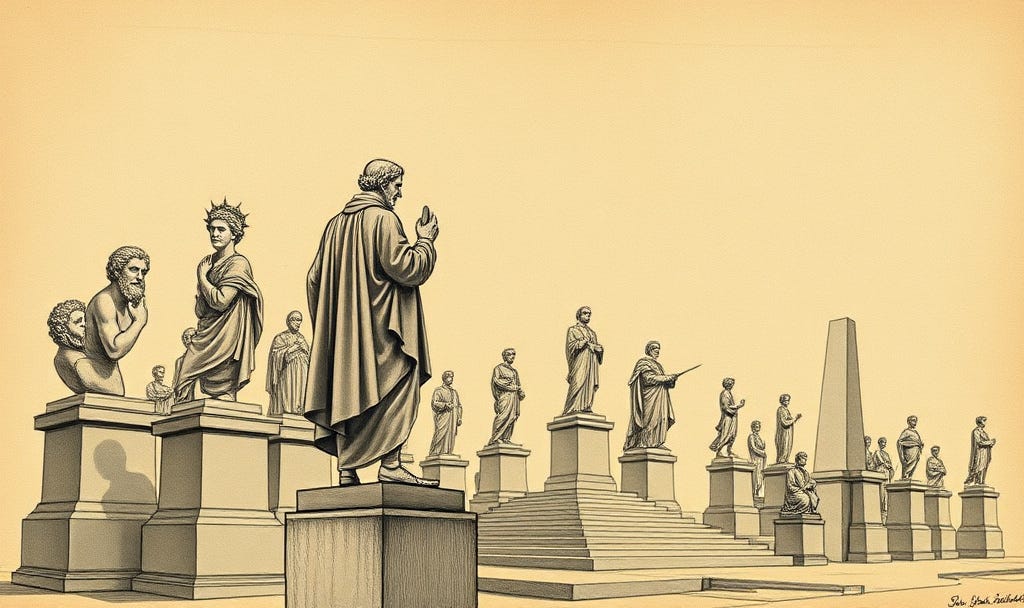
Canonisation is still ongoing today.
Scriptures are still being written. Doctrines are still being formulated today.
The apostles formulated what we call Doctrines from the Old Testament and from the life of Jesus. Others, like the apostle Paul, got some of their teachings from the Old Testament and also by ‘revelation.’
The practice of men writing God’s will and laws has not stopped.
This is being done today in the form of books and materials.
The apostles wrote letters to churches and to believers, and these were what were selected and canonised to be called the Bible today.
Today, men are still writing (not letters now), but books. Today, we read the Bible and draw out inspiration and document it.
This was the same way men of old read the Old Testament and drew out doctrines.
The only difference now is that there may not be another canonisation today by a group of select few.
But every believer would practice personal canonisation, group canonisation, and even collective canonisation as a local church or community.
This is already ongoing even if a label has not been attached to it.
When you read the book of a man, it’s as though the early believers were reading apostle Paul’s letters.
You can know if what was written was an error or truth from the foundation that has already been laid in the written scriptures.
How do you think the typical Jew will feel when the apostles of old wrote letters containing God’s instructions, and it wasn’t the scrolls or the Old Testament texts?
The words of the prophets were their guide for years. It was such an error for anyone to bring something else that was not Moses’ law.
You can wonder how they felt Jesus was crazy when he taught something new that they hadn’t heard before.
Jesus was committing treason in their eyes.
How dare anyone say something other than what was written in the law?
Imagine how they felt. If you can’t imagine, then think about how you would feel if someone came today and said he or she wrote some other scriptures apart from the New and Old Testaments.
How do you see such a person?
Even if what he wrote is in accordance with the scriptures, by calling it scriptures, you’re already put off.
Because to you, there can’t be any other scriptures today except those that we already have.
That was the same way the Jews felt when Jesus and the apostles taught something not directly the same as Moses’ law.
Were the Jews wrong? Yes.
Apostolic scribes would rise. Men will (and are already) still read the old and new texts and formulate doctrines for the growth and edification of the body, today and in years to come.
No, all that we have is not all that there is.